APT29 Hit Phones via Patched Chrome, iOS Bugs
Visit a watered-hole site on outdated Chrome or iOS and malware could steal cookies or device data. Every bug was already patched.
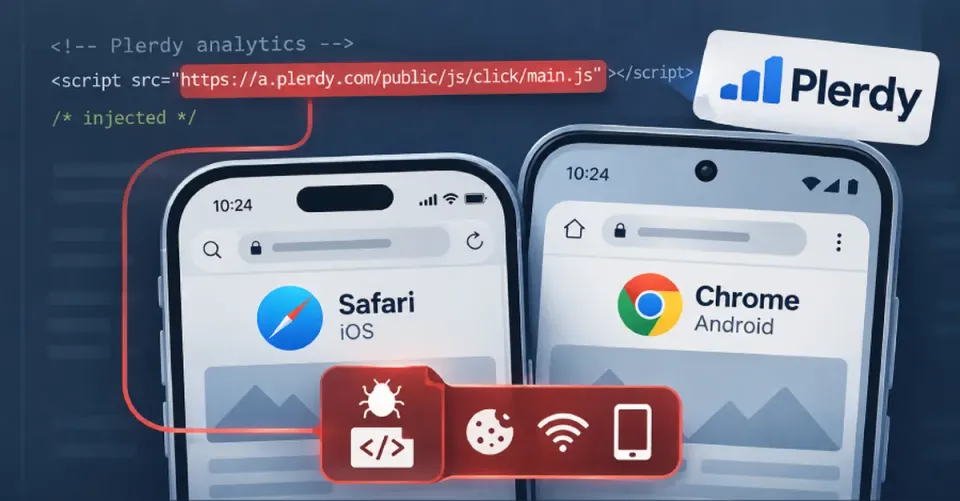
Security researchers say a Russia-linked campaign spent weeks turning everyday websites into silent phone traps. Visit the wrong page on an outdated iPhone or Android Chrome build, and malware could steal cookies, Wi-Fi passwords, or far more — without a single tap. The catch that matters for everyone else: every bug they used was already patched.
What happened
On November 4, French firm Sekoia TDR published “Poisoned Source,” a long write-up of a mid-October watering-hole operation it ties with moderate-to-high confidence to APT29 (Midnight Blizzard / Cozy Bear), the SVR-linked crew better known for cloud and email campaigns. Ars Technica and Android Authority picked up the report the same night; @arstechnica flagged it on X, and @TheHackersNews covered the APT29 angle.
Delivery came three ways. First, direct JavaScript injection on compromised sites (including a Ukrainian gas producer and others across the US, Czech Republic and Bulgaria). Second, lookalike reverse proxies — america250[.]holiday standing in for the America250 anniversary site, and theowo[.]club for Raffles London at The OWO, a hotel near Downing Street where Zelenskyy reportedly stayed on October 14. Third, a one-week supply-chain hit on Ukrainian analytics vendor Plerdy (August 27–September 3), which shoved the same fingerprinter into thousands of sites loading a.plerdy.com.
On the device, a bloated “UltimateFingerprinter” script profiled the phone, then the delivery host handed out a matching n-day chain. Sekoia recovered three:
- iOS 16.x–17.4: cookie theft via CVE-2025-43529 and CVE-2024-27834.
- iOS 18.5 (DarkSword): a longer chain ending in a full harvest — SMS/iMessage, WhatsApp and Telegram databases, Keychain, photos, Health, Wi-Fi passwords and more.
- Android Chrome 139–145 (skipping 143): CVE-2026-3910 in Chrome plus CVE-2025-27038 in Qualcomm’s Adreno GPU driver, then “AndroSnitch” grabbing Chrome cookies, saved logins, history and Wi-Fi configs. The chain bailed if it saw a Galaxy S25 Ultra (SM-S938B).
None of those flaws were zero-days. Updated iPhones and Chrome builds newer than 145 were outside the hit list.
Why it matters
This is not the same story as Google’s November Android bulletin Critical Framework RCE — we covered that separately in Android’s Nov 2026 critical zero-tap patch. Here the attackers are recycling already-fixed browser and GPU bugs through websites people are supposed to trust, including analytics scripts nobody reads the privacy policy for. Cookie theft alone is enough to walk into webmail and cloud sessions that still look “signed in.” Diplomatic and Ukraine-adjacent targeting is the alleged motive; the delivery math does not magically spare a delayed Pixel or an old Redmi that never got its Chrome update.
What to do
- Android: Open Chrome → Settings → About Chrome. You want a build newer than 145. Then install the latest system security update (November’s 2026-11-05 string covers Qualcomm items when your OEM ships it).
- iPhone: Settings → General → Software Update. Anything below a current 18.x (or the latest supported release for older hardware) is the risk window Sekoia described.
- Habits: Prefer official domains over forwarded “invite” links around big events; treat unexpected hotel or conference URLs with suspicion.
- If you ever landed on a lookalike and your phone was behind on patches, rotate important passwords and revoke sessions from a known-clean device.
My take
I keep seeing the same pattern: the scary mobile kits move faster than carrier update calendars. Snapdragon phones are everywhere in India and across Asia; if Chrome is stuck on an OEM-skinned store build from three months ago, you are exactly the Android profile this chain cared about. Diplomats and defense-site visitors were the intended fish, but a Plerdy-style analytics compromise does not politely exclude everyone else who loads the script.
Practical bar for me: Chrome about-page checked this week, and the November Android security string installed when your brand posts it — same hygiene we keep pushing after the bulletin. On iOS, just take the update; DarkSword-class kits only stay useful while people stall on 18.5-era builds. And if you run a site that still loads a random SEO tracker from a small vendor, treat that third-party script like production code you own — because for a week in late August, visitors to thousands of Ukrainian sites effectively did.
Comments ()