AMD Posts Record Q3 on Data Center Boom
AMD Q3 revenue $13.4B (+45%); Data Center $8.5B (+97%). Gaming down 40%. Q4 guide ~$17B as AI servers dominate.
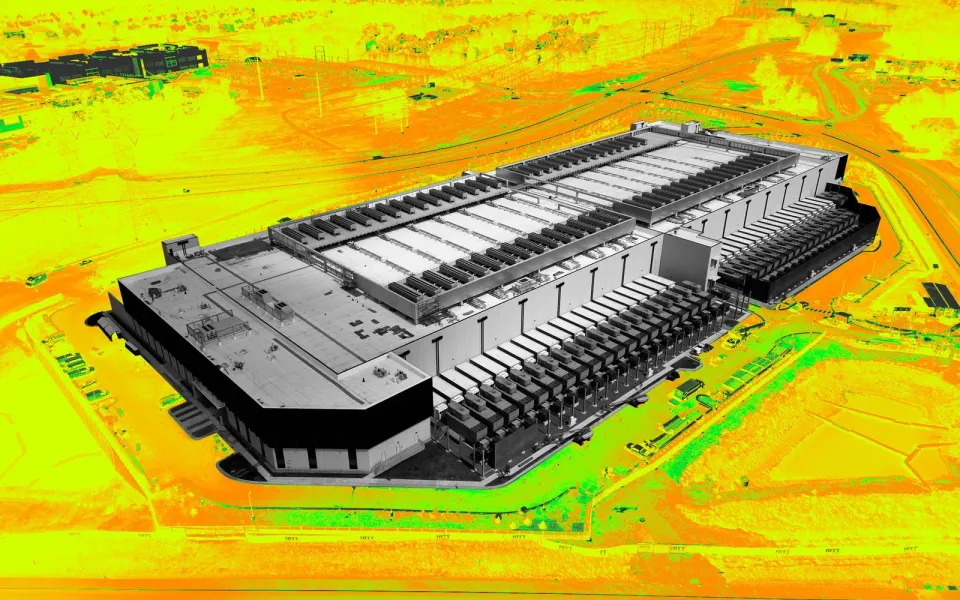
AMD just posted the kind of quarter chip watchers have been waiting on: record revenue, record profit language from the CEO, and a data-center business that is quietly becoming most of the company.
What happened
In its Q3 2026 results (released November 3), AMD reported $13.4 billion in revenue — up 45% year over year — with GAAP diluted EPS of $1.46 and non-GAAP diluted EPS of $2.09. Data Center segment revenue hit a record $8.5 billion, up 97% year over year, driven by EPYC CPUs and Instinct MI450 Series GPUs. On the earnings call, CEO Lisa Su called Q3 “the largest and most profitable in our history,” a line The Verge led with; @verge also noted AMD’s view that data center could eventually be more than 80% of company revenue.
The mix shift is already stark. Data Center was roughly 63–64% of Q3 revenue. Client and Gaming together brought in $3.7 billion (down 8% year over year); inside that, Gaming alone fell 40% to $773 million. Embedded grew 29% to $1.1 billion. Guidance for Q4 points to about $17 billion in revenue, and Su talked about 2027 revenue growing more than 80%, with data center as the largest contributor. CFO Jean Hu said that looking ahead of 2027, data center could be more than 80% of total company revenue.
Why it matters
This is the AI-server boom showing up as an income statement, not a keynote slide. When one segment nearly doubles while gaming slides, product roadmaps, wafer allocations, and even retail PC pricing all tilt the same direction — the RAM and component squeeze Su tied to higher system prices and a softer consumer sell-through. If you care about GPU availability for local models or whether next year’s gaming laptop launch feels pinched, that $773 million gaming print is the quiet tell. It also reframes how I think about AMD on the desktop after issues like the recent Steam-on-Radeon launch crash: the consumer stack still ships, but the money and attention are upstairs in the rack.
What to do
- Read AMD’s IR release and slides if you track Instinct/EPYC capacity — the MI450 and Helios/Venice comments are the forward-looking bits.
- If you buy GPUs or build PCs, budget for sticky component prices into 2027; Su already framed consumer markets as more sensitive to those hikes.
- Treat “AMD is a PC/gaming company” takes as outdated for investment or competitive analysis — by their own CFO math, this is becoming a data-center story with a client side hustle.


Comments ()